How localisation made all the difference for MINI A TURE in Germany
The key changes that transformed the customer experience and sales
Written by Emma Viström, October 2025
MINI A TURE is not your average kidswear brand. Founded in Denmark in 2002, the company has built its business on longevity, quality and circular thinking – long before it became a trend. Every piece is designed to last, made with certified materials, and created to reduce environmental impact. Their commitment runs deep:
MINI A TURE is one of the few Nordic brands in the kids' clothing industry to earn the B Corp certification.
Good intentions are important, but they alone do not guarantee international growth. In 2023, MINI A TURE decided to revise their direct-to-consumer setup – starting with Germany. With just three people in the e-commerce team, they focused all their efforts on one market. The results were immediate.
Focusing on localisation
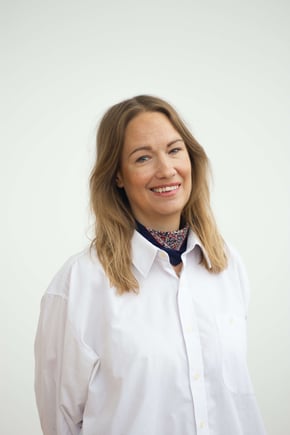
Germany had long been MINI A TURE’s strongest EU market. “We already had traffic, and customers were ordering from the English site,” says Dorte Lis Johar, Head of E-commerce.
“That gave us a clear signal – if we made it easier and more familiar to shop, the market could grow.”
They started with language. Using a mix of AI-powered translation tools and a German freelancer, they translated all site content, product descriptions and post-purchase communication. “The freelancer spent around 30 hours refining tone and terminology – especially on certifications and technical details. The rest we handled internally.”
Although their ads had been targeted at German audiences before, conversion rates improved significantly only after they linked those ads to the fully localised German webshop rather than the English .com site.
MINI A TURE previously ran an international payment and delivery setup across markets, but when they launched their German webshop, they fully localised to meet the market’s expectations. Klarna and PayPal were added to offer familiar payment options, but the biggest difference came from delivery. By introducing DHL Connect customers responded straight away, says Dorte.
They also opened up for German customer service. Initially, they used DeepL to respond to messages and were transparent about it.
“We let customers know we were using AI translation and apologised in advance – and not one person complained. In fact, they often thanked us for making the effort.”
Internally, the team maintained clear visibility on the project to keep momentum. More importantly, Dorte highlights that full support across the company and focusing on one market without pressure to launch others was key to their success.
“No one was pushing us to launch five other markets at the same time. That focus allowed us to do it properly within our small team.”
Managing growth and challenges
The site launched on 1 September 2023 – just ahead of peak season. “It was intense,” Dorte admits. “We were a small team, and demand surged right after launch. Customer service hours increased from 2 to 8 hours per day.” Despite the pressure, the timing paid off. By December, German sales were up 94% compared to the same period the previous year. The biggest challenge was the return rate. “It went from 17% to 45% during the season,” says Dorte.
“That is not unusual in Germany – customers often order two or three sizes and return the ones that do not fit.” The returns issue ties back to MINI A TURE’s sustainability goals. “Unnecessary returns have a climate impact, so we see it as both an economic and environmental challenge.”
To address this, the team is investing in better sizing tools and clearer communication before purchase.
“We are redesigning our size guides to make them easier to read, adding more visuals, and integrating sizing guidance within the shopping flow – not just as a separate link. It is one of the things we are working hardest to improve in the future.”
MINI A TURE has also partnered with eComID, a platform focused on improving the pre-purchase experience through personalised size recommendations and better product understanding. Their solution not only helps reduce returns but directly supports MINI A TURE’s ambition to lower CO₂ emissions linked to unnecessary shipments.
Beyond Germany and what’s next
While Germany was the focus, localisation had ripple effects. Sales in Austria increased by nearly 80% – helped simply by the German-language experience and delivery improvements. In Italy, conversion improved too – largely due to the DHL shipping option.
“It confirmed for us that logistics and post-purchase experience matter just as much as marketing,” says Dorte. “In many cases, it was not about driving more traffic – just removing friction.”
MINI A TURE is not rushing to open the next market. “We are documenting everything and already now have a model we can apply again. But we want to get even better at sizing, service and expectation-setting first.”
If they were to do it again, Dorte says they would start preparation earlier and avoid launching right before high season. “But we do not regret it. The learning curve was steep – and we are still benefiting from it.”
Three things I wish I had known before going abroad
Each brand featured in Succeed Abroad – The Magazine shared three lessons they wish they had known before expanding abroad. Here are the three that stood out most to Dorte Lis Johar:
- Start where you already have momentum
Look for existing traction – if customers are already buying despite friction, that is where localisation will pay off fastest. - Think local from day one
You need to apply the full experience from the start – think holistically about what it means to shop in Germany. Language, delivery, payment and service must all feel local to earn customer trust. - Focus beats ambition
We deliberately chose one market aligned with our internal capacity, committed fully, and had the whole company behind it. That clarity made it work.
Read more brand stories from Succeed Abroad – The Magazine here.