Skip to content

Content Guides to local marketing

Each guide is created by our native e-commerce specialists. The same people who help brands like Sephora, Liewood and Rapunzel of Sweden deliver a consistent, local customer experience across Europe. They work in these markets every day, and they know what customers actually expect when they land on your site.

Every guide includes a full-year local marketing calendar and the insights you need to plan your marketing across 12 European markets.

we are

Trusted by strong brands:

liewood logo
Indiska
Sephora_logo.svg
babysam logo
Matsmart logo
Rapunzel-of-sweden-logo
Søstrene grene logo
skechers1
candy-pop-logo
lakrids-by-bulow
Creativ logo
Box-Colour-EN 1 (2)
What you will learn

Timing and local knowledge is everything

Germany and France are two of Europe's biggest e-commerce markets. German shoppers research before they buy. They want product details and clear communication. French consumers want to feel seen. They respond to personality and visual confidence, - bolder colour palettes outperform the muted minimalism that works in Scandinavia, and Wednesday afternoons are peak shopping time.


These are the kinds of details that do not show up in a generic European calendar. They come from people who live and work in these markets.

01
When customers in your target markets are most likely to respond
02
Which cultural moments are worth building campaigns around
03
How to adapt your tone and messaging so your brand feels local
04
What customers in each market expect from your content and campaigns
05
What local traditions influence online campaigns throughout the year

Community

Join our community– get insights straight to your inbox

Tips, cases, and hands-on toolkits from native e-commerce specialists across 21 markets.

🚀 Tips and tricks to help you build trust abroad
✍️ Cases and insights from native e-commerce managers
✂️ Hands-on toolkits that you can apply to your business

Explore

More resources for going international
Cover of the Get started guide
Guide Get Started Guide Our guide to International E-commerce and how to launch your international webshop
Read more →
cover of the content guide
Guide Content Guide Get localised marketing tips and important dates across 12 European markets
Read more →
AI in CS playbook cover
Guide AI in CS Get seven lessons based on insights from 700,000+ conversations across markets.
Read more →
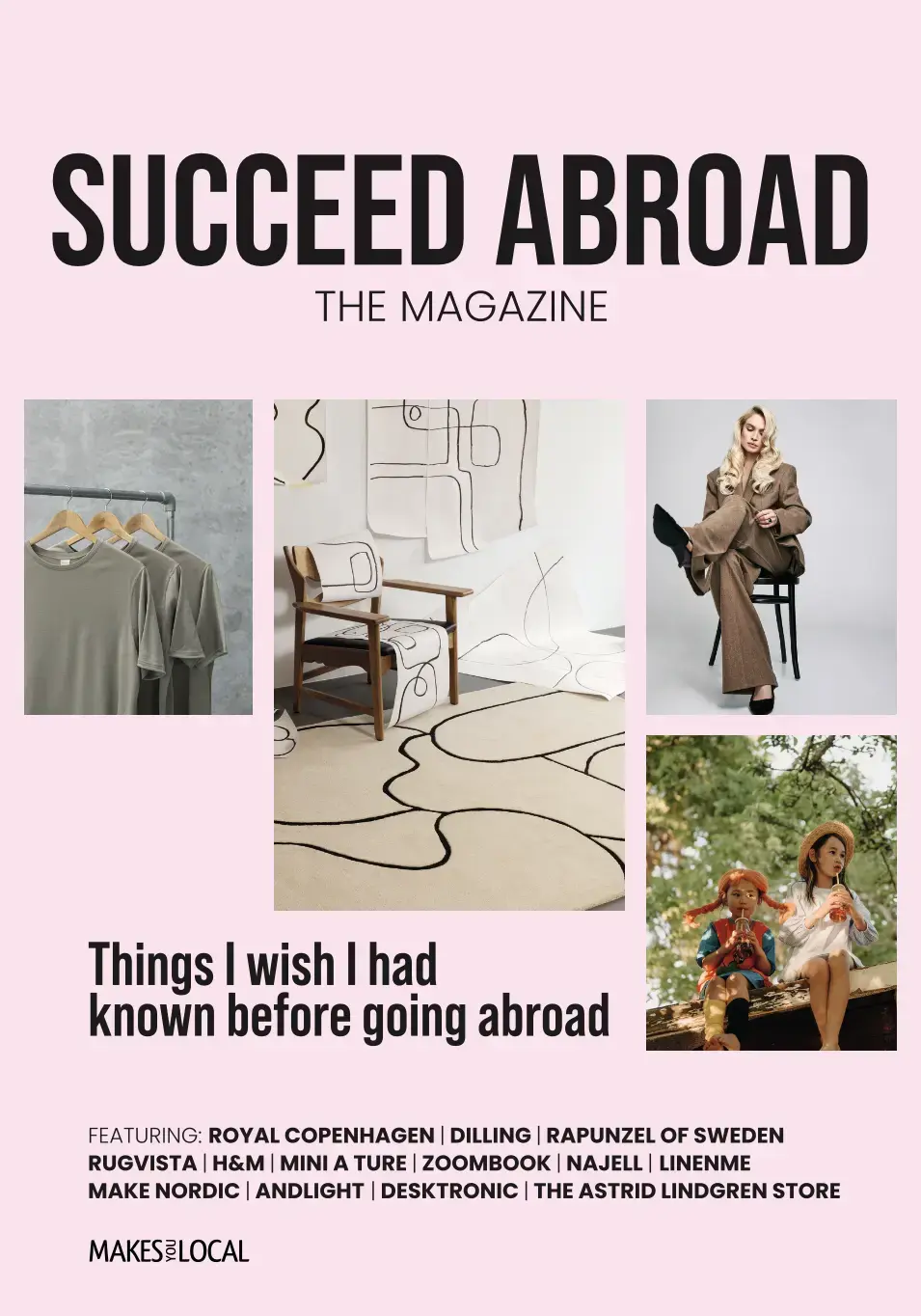
cover of succeed abroad the magazine
Magazine Our Magazine Get Succeed Abroad - The Magazine filled with the best tips on international expansion
Read more →
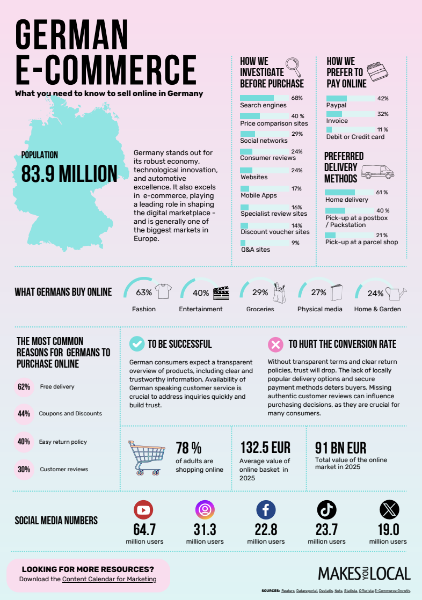
German Market Fact Sheet
Data sheet Market Fact Sheet Exploring consumer spending and e-commerce trends across 12 European markets
Read more →

Want to learn more?

Frequently asked questions

Can I post the same content to all my markets? You can share the same core message, but the you need to be aware of how to localise your content. Tone, timing and cultural details all differ - and identical content across markets is one of the most common early mistakes international brands make.
What is the difference between translation and localisation? Translation converts words, but when you localise you content so it sounds like it was written for that market in the first place.

If you are selling a jacket, a German customer wants the precise material composition, the exact measurements and clear care instructions. A Danish customer is more likely to respond to how it fits into a lifestyle. The feeling, the occasion, the story behind it. Same product, completely different conversation. 
When should I start planning campaigns for a new market? You need to start planning your campaigns and content earlier than you think. If you are entering Germany in time for Christmas, you need to understand that the season starts with Advent in late November and builds through a series of traditions - St. Nicholas Day, the Christmas markets, Heiligabend on the 24th. In France, the same period looks different. Getting the timing wrong in either market means your campaigns land out of step. Six to eight weeks lead time for most campaigns.
Which sales periods matter across markets? It depends on where you are selling. In Germany, Easter is a major cultural event, Labour Day on 1 May is widely celebrated, and the Christmas season builds gradually from late November - with many distinct moments that engaged shoppers plan around. In France, the winter sales kick off in January and draw serious traffic. Black Friday and Cyber Monday both land at the end of November, and French Days (a homegrown sales event held twice a year in spring and autumn) is something French consumers actively plan around.

The point is not just knowing the dates. It is understanding what each moment means to customers in that market, and showing up around the right time, when people are in the right mindset.