3 things you need to know before selling in Germany
Written by Signe Bergström, August 2026
Interview with Jona Hermann, German Client Specialist
Germany is the biggest e-commerce market in Europe, and for many brands thinking about international growth, it is usually one of the markets that is on the "wish-list". It is a huge market and the purchasing power is there.
But... because there is a but!
The expectations German online shoppers have around trust, payment and returns are more specific than what you might be used to at home.
We sat down with Jona Hermann, German Client Specialist at MakesYouLocal. Day to day, he works with brands like Lakrids by Johan Bülow and Rapunzel of Sweden, helping them build an international presence across markets that stays true to their values and vision. Not just on their home market, but in a market with its own rules, expectations and customer behaviour.
Now you get to go "inside his head" and pick up some native specialist insights.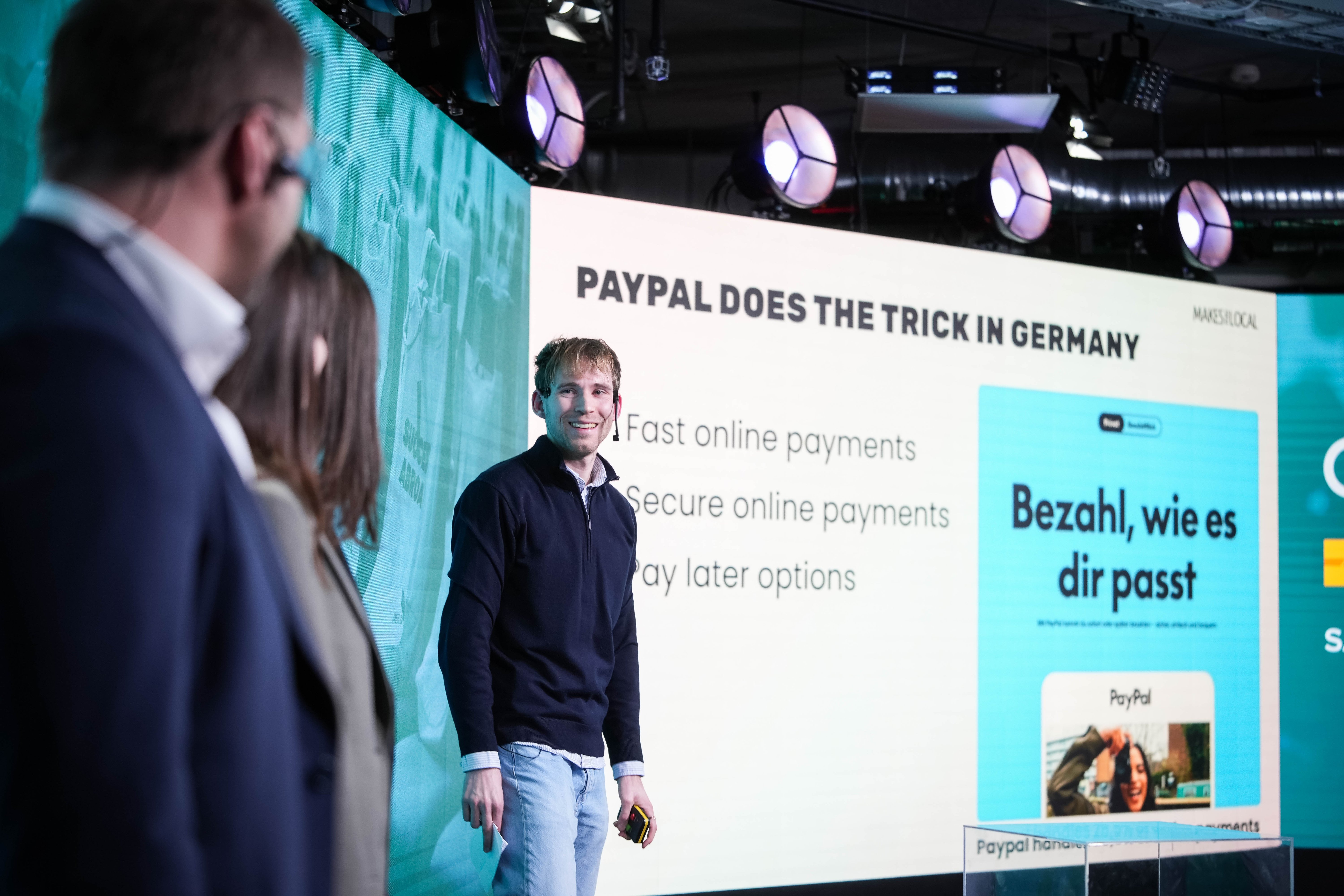
1. Compliance is a trust signal, not just a legal requirement
Germany has specific legal requirements for any brand selling online: a mandatory "Impressum" (a legal notice with your company details), clear GDPR compliance, defined return rights, and the mandatory EU law requiring a dedicated withdrawal button (all EU Member States were required to adopt implementing legislation by 19 December 2025, with the new rules applying from 19 June 2026 for all member states.)
What most brands do not realise is that German shoppers actively look for these things before they buy. So thinking of them as nice-to-haves instead of need-to-haves is a bad idea, when they are the thing that decides whether a customer buys from you or not.
A missing "Impressum" does not just put you at legal risk. It reads as a red flag to a customer who has never heard of your brand before.
Third-party trust signals like "Trusted Shops certification" carry real weight in the German market . For a customer with no prior relationship to your brand, it is a quick way to decide whether you can be trusted or not.
You can spend months and a serious budget getting the right people to your webshop. They arrive, they are interested, they have the money. And then a missing Impressum or the wrong payment option sends them straight back out. That is an expensive mistake to make on something entirely within your control.
"German customers do their research before they buy. If your "Impressum" is missing or your returns policy is buried in the footer, they will notice. It is not paranoia, it is just how they shop. They want to know who they are dealing with before they hand over their money." says Jona Hermann.
So the first tip is to get your legal setup right before launch.
2. Your current payment setup will lose you sales at checkout
German online shoppers expect invoice payment and instant bank transfer (Sofort/Giropay) as standard. Invoice payment, where the customer receives the goods first and pays within 14 to 30 days. It is very particular for first-time purchases from a brand people do not know yet.
"We always tell brands the same thing: do not go live in Germany without invoice payment. It feels like a big operational ask, and it is. But without it, you are essentially telling a large share of your potential customers that you do not trust them. That is not how you build a new market.", says Jona Hermann.
You know the feeling yourself. You are about to order from a new site, and when you get to checkout, your preferred payment option is not there. Maybe you are asked to pay by card, but your card is sitting on some shelf at home because you genuinely never use it. So you leave.
That is exactly what happens to your potential German customers if you do not meet them where they are. Payment preferences in Germany are specific, and they are local. German shoppers will measure you against them. If you do not match up, you lose the sale. Not because of your product, not because of your price. Because of the checkout.
So it is essential that you account for the right payment infrastructure before launch.
Setting it up after a slow first quarter means fixing a conversion problem that you did not need to create.
3. Return rates will be higher than you are planning for
Germany has some of the highest e-commerce return rates in Europe, particularly in fashion and footwear. This is not a sign that something is wrong with your product. It is simply how a large part of the market shops: order two sizes, keep one, return the other. It is a part of the customer buying behavior.
We often see that most brands entering Germany underestimate this. They set their margin model based on the return rates they know from their home markets, and when they go live, they spend the next few months trying to figure out what is going on, and not knowing the exact root cause.
But we are here to tell you: just expect higher return rates in Germany than in your home market.
"Returns in Germany are not a problem to solve. They are a cost of being in the market. The brands that handle it well are the ones that planned for it from the beginning: the right carriers, a clear process, and a margin model that can absorb the volume." says Jona Hermann
So the last tip before entering the German market is to work with carriers your German customers already trust (DHL and DPD), making your returns process easy to find and easy to use, and building return volume into your cost model before you set your prices.
So as a little conclusion in the end - and also some practical tips and resources for you.
= Germany is worth it. But it requires proper preparation.
Compliance, payment localisation and return logistics are not things you retrofit. They are the foundation.
Get those right from the start, and Germany is oa very rewarding market to build in.
And just a small add on here in the end: your webshop needs to be in German. When your German customers reach out, they expect to be met in German.
3 ways to ease into the German market
Our German Market Fact Sheet gives you a one-page overview of the most important market insights for Germany - payment preferences and delivery expectations. you can get it right here:
Want to improve your content for a German audience?
Our Content Guide to Marketing in Germany covers how you can prepare yourself for the German market - from tone and campaign angles to what specific holidays can be seen as a competitive advantage:
Want to see what this looks like in practice?
Read the interview we had with Dorte Lis Johar from Mini A Ture on how localisation made all the difference for MINI A TURE when they had to enter Germany.
.